Episode Transcript
[00:00:06] Speaker B: Welcome back to the Evolution of Dental podcast brought to you by Evolution Dental Science. I'm your host, Rob Norton.
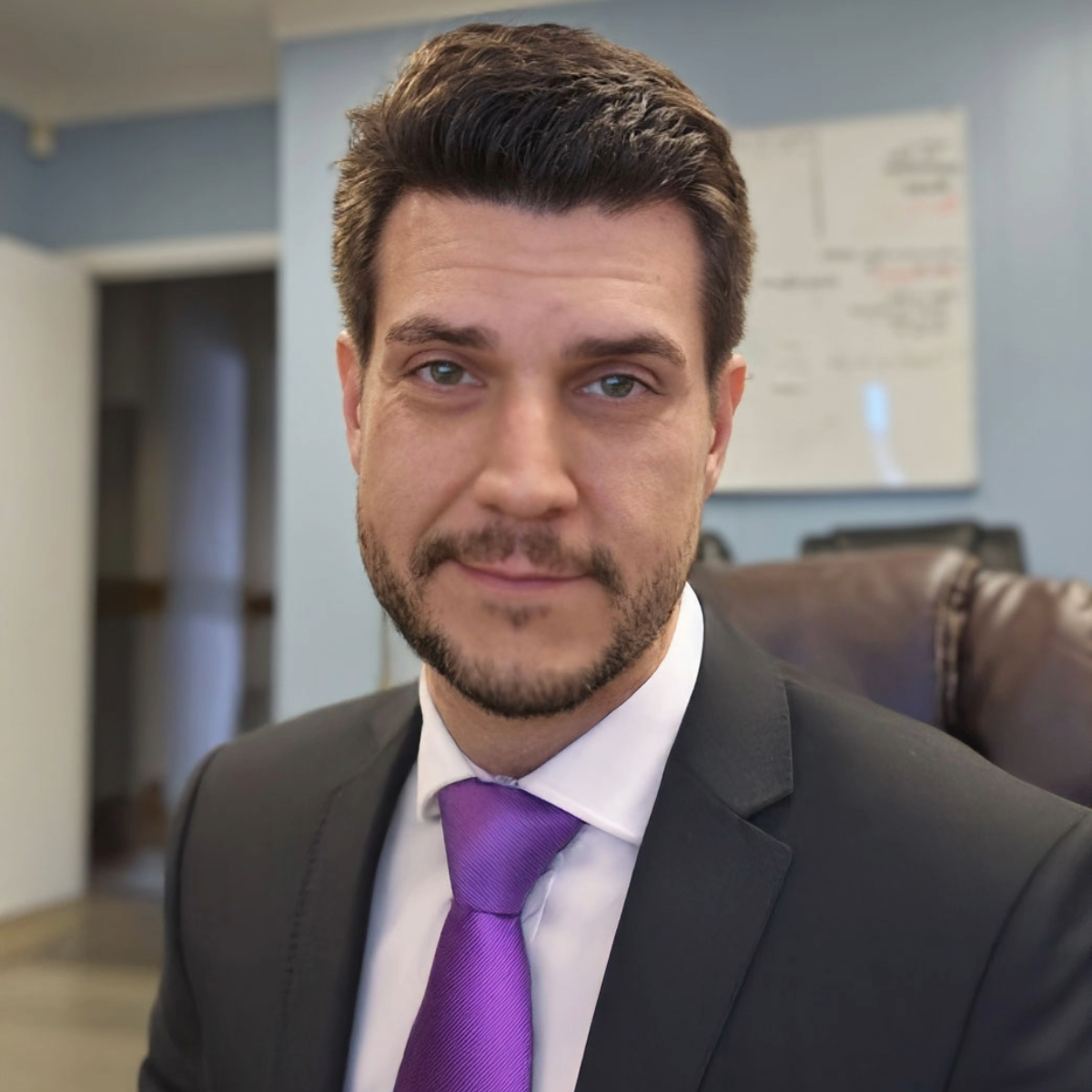
Today I'm joined by Dr. Ben Kellum, who is a fascinating dentist operating out of Huntsville and a former fellow at the Foundry down in Birmingham. Is that right?
[00:00:22] Speaker A: Yeah, that's right.
So I, I worked down at the Foundry. I was the residency director for the AGD program down there for about three or four years.
[00:00:36] Speaker B: Yep, I've heard of the Foundry, I have not visited myself yet. But I probably should, considering that it's just more or less down the street from me. But I, I hear it's an outreach program sort of geared toward those who can't really afford dentistry treatment and maybe some of the less fortunate with some advanced cases. Is that right?
[00:00:54] Speaker A: Yeah. So the Foundry, which I used to work at, is in Birmingham, Alabama. It is. So Foundry itself is a drug recovery. So it's not a dental, the main Foundry part is actually a drug recovery program. And then they built a Foundry Dental. And so they made a dental program to go with it. And in that process they realized they had way more patients than they had people. And so they, they kind of incorporated a dental residency program and it grew very quickly. When I came in, they had eight or 10 full time residents one year in that one year program primarily focused on IV sedation and full arch implants. And because drug recovery, that's just kind of the, that's the crowd. So.
[00:01:36] Speaker B: That's the crowd, yeah.
[00:01:38] Speaker A: What the needs are. It's pretty extensive needs. So a good residency program, heavy in prosthetics and surgery and obviously sedation was the main focus. And so I ran the residency program for several years and it was kind of hilarious to have these general dentists. You know, they were 15 minutes ago, were doing a crown prep for two hours and now they're placing implants and trying to sedate people. So that was a big transition. So it's kind of fun to help all them kind of transition to doing some bigger stuff altogether. So that was really cool.
[00:02:15] Speaker B: That's beautiful. What's the, what's the tech, what's the tech layout there like? Is. And how's that compared to what you do now?
[00:02:22] Speaker A: Yeah, so when I started, I was there.
My dates are probably not perfect here, but probably 2017. When I was there from 2017 to 2021. 22. 22, I guess.
And when I started there, there really was not, there was no technology really. I mean, I think they had an intraoral scanner maybe like A Omnicam or something at the time, but for like 11 residents. So it was just dusty. No one was really using it everything was...
Foundry is a non profit. It's kind of there to offer reduced costs. It's not free, but it's reduced cost dentistry.
When I was there, we were always trying to figure out how can we get patients treated for as cheap as possible, but still do something really high quality. Right?
[00:03:08] Speaker B: Yeah, yeah. And the tech helps a lot with that.
[00:03:11] Speaker A: Yeah. And so there was randomly there, there were some lab techs that before I got there had left and so there was a room and it had. I knew so little about technology at the time. So I went in there and I was like, what is that black large machine in the corner? And they're like, oh, that's a mill. And I'm thinking CEREC. Right. So I'm going to look like what I'm used to do.
And it was an Amann Girrback Motion.
[00:03:39] Speaker B: Oh, okay. Yeah. A real mill.
[00:03:41] Speaker A: Yeah, Like a, yeah, grown up mill for me. I was like, that's a lab mill is what I thought. Right? Not. So I was like, we're not supposed to use those dentists.
[00:03:49] Speaker B: It's off limits.
[00:03:51] Speaker A: That's a lab tech thing. You're not allowed to use those.
And. And then they said there's this, this, this software we have called exocad. Once again, I had no, literally no idea what that, you know, what any of that was. It was kind of like a tinker project. You know, if you want to play with it, it's just over there. We got it. So in between patients, I would just kind of like turn it on and watch the mill spin and you know, like just trying to.
[00:04:18] Speaker B: Oh yeah. I mean it's just cool tech. Especially at that time. No one's seen really anything like that.
[00:04:23] Speaker A: Yeah, 10 years ago. I mean it was. Yeah. So, so I started to play with it and then I finally, you know, watching YouTube, figuring stuff out was like I could get where I could mill a crown. And I was like, well, I'm just gonna start trying to mill some crowns for patients just to, you know, go. And I do that and just fell in love with it. I mean, loved the design, loved the, the manufacturing and I was. The funny thing is like, you know, in dental school I was terrible.
Like lab was like, not my world. Like, you know, you're waxing up the crown, gold crown and casting it and my professors would always come over and tell me my crowns looked really fluffy and marshmallowy and like, and so I, you know, just, I was just not. So to me, lab was not a fun thing. It just wasn't. Doing that kind of stuff didn't appeal feel to me really at all.
And. But something about the digital side of it felt a lot different. The whole process there felt totally almost like a different world of stuff. So started to do that and then it just was a rabbit hole. So we started doing more and more and as we got into it, realized, hey, this is really allowing us to treat patients. I'd have patients come in that couldn't afford it and I'd be like, well, I can make you a couple crowns for. I'll just make them for you for real cheap, you know. And I knew I could make them and it was just going to be a project.
[00:05:53] Speaker B: Well, I mean, at that time, the cost of gold per ounce was something like it was creeping up close to $900, $1,200 an ounce.
And the cost of a zirconia crown is like, even back then was like $10 in material.
So like, you're talking about a huge offset in cost for, for, for low, low affordability in dentistry.
[00:06:13] Speaker A: Well and really the thing that was most new to me was you, kind of go through and your only exposure as a dentist is. Is block milling, right? So you have blocks and whatever, and then there's this puck thing and you're like, what the heck is this? So that opens a whole another world of materials and process and costs. Like, so we started doing zirconia and that whole thing, you know, so I can do a zirconia crown. It's not, oh, look, it looks pretty good and it's starting. It's a relatively easy process. And I'm not, you know, breaking a lot of burrs all the time. Like I am with CEREC and all, you know, you know, kind of a mills at the time were with the block milling. And so that was really interesting.
So that started getting into that and then I was like, oh, you can. But I didn't do a ton. I mean, we did crowns, but most of our stuff was full arch. So, you know, we were mainly doing full arch implants, dentures over denture kind of stuff in that process. We ended up getting a SprintRay printer around that same time randomly.
Once I got into it, it was a very, very early, I mean, probably the earliest version of the SprintRay printer. So it was. Did not.
[00:07:26] Speaker B: Was it the SprintRay or was it. Was it labeled like the pro something or was it a MoonRay?
[00:07:31] Speaker A: Pre-pro it's like MoonRay.
[00:07:32] Speaker B: MoonRay! I. I had one of those.
[00:07:34] Speaker A: It was. Yes, it was. And it was fine. But it did not.
[00:07:38] Speaker B: It was fine.
[00:07:39] Speaker A: Did not set any records for anything. But it was awesome for us! It got, you know, and that was a whole another. Wow, this is crazy. A whole another way of making things.
Made a bunch of really ugly stuff.
And that was, you know, and then just like, I don't feel good about giving that to a patient. But it was just learning at the time.
Most people were kind of figuring it out. There wasn't a textbook on it. There wasn't like cool courses where you could go to learn a lot of this stuff. And so that was really tricky. So I had a lot of people. I just was like, hey, what in the world are you doing? I don't know. What are you doing? You know. So there was a lot of that kind of going on. We're running into the same problems, problem solving stuff.
And really the transition, one transition that happened is very early on, probably a year or two into being there.
We started working with a photogrammetry company. So. So this was.
And so they put a. They put a photogrammetry unit on site. And for us, which we're all. We're doing all this full arch now. We're like, oh, now this is really something I can do. You know, I can start to like, incorporate this in a pretty. Because it fit into our clinic of what we needed. You know, doing crowns is helpful, but. But it wasn't really the bulk of what we were doing.
So we got that photogrammetry unit. I mean, it was on site and I had no. Like, they might as well have put a rocket ship in the middle of our clinic. I had no idea what in the world to do with it. It was technology. It had cables and plugs and I could plug it into a computer, but I had no idea what to do with it. So I actually at this time got connected with Josh Jakson. So this is where I met Josh is kind of through this process.
And he was like the. When I talk to people, be like, you just need to talk to him. Uh, he knows what he's doing. No, no one else knows what's going on. And so I called him and I was like, hey, I have this robot and I got no idea what to do with it. Can you help me? Like. And so we started doing a bunch of cases together and I would.
And there was a lot of tinkering, a lot of stuff that worked great, a lot of that didn't Just figuring that whole process out and workflow stuff out. And man, it made a huge difference. I mean, so we're doing, you know, if you think about it, we have these residents, they're doing a full arch case, they're doing some of their first implants, some of their first full arches.
And it's taking forever, right? And so then I'll, you know, so you're, you're taking several hours minimally, we're IV sedating. So they're trying to figure that out. So there's just a lot they're figuring out. And this isn't critical. They were doing a great job. But it just takes a long time and then on top of that to be like, okay, now let's do an analog conversion.
And which like, okay, we're gonna put on these cylinders and we're gonna get a dent. I mean, and they're already sweating bullets. They're already about to black out. Like, they've already barely made it, you know, through the, to the other side of this surgery.
And so we really weren't loading cases very much or the residents weren't loading cases very much. It just wasn't practical to do really time wise, unless they're. They'd be like, be there. They, it's funny, they would ask me, they say, hey, I'm interested in doing a analog conversion and kind of loading and say, okay.
I say, I'll help you, but I just want you to know it's, it's gonna, you know, buckle in, you know, it's gonna be a thing. They'd be like, no, it's gonna be great. I'm gonna get that surgery now. You know, the optimism of a new, a new graduate is awesome. You know, they're so, they're like, man, I'm gonna get in there and I'll bust it out. They go and you know, they come in with their tail between their legs. Like four hours in, they're still like two or three hours. You know, it's like, they like feel like they're going black out. And I'm like, I told you, man, this is not, you know, it was just such a barren. And, you know, maybe when you're first starting, especially on those residents, maybe you'd get it to land. Maybe the bite was off on a traditional conversion, maybe it break. Then they'd spend three hours making it and it would break the week later and you're just totally screwed. I mean, like, you got no chance of really rescuing that at all without doing a ton of work. So it Just was so prohibitive in general. We got the photogrammetry unit, and all of a sudden it's like, all right, you do the surgery. We're going to do a scan. We'll see you tomorrow. Or later that day. We're going to have teeth, print them, like. And we're like, oh, man, this is now, like...
[00:12:05] Speaker B: It's a whole new world.
[00:12:07] Speaker A: Totally new world. Totally doable.
Patients are able to leave. We're a. And we were generally doing next day just because, you know, whatever, it didn't really matter.
But patients are able to leave right at the end of their surgery. We have maybe 15 minutes worth of data stuff to get, man. And that was a huge. So that was a big shift for me with my own personal practice and also with these residents. And so.
And so we really got hard into that, and then we started making our own finals. So at first we're making temporaries and sending the finals off for full arch, and then we're making final zirconia, full arch stuff. And all of a sudden we're seeing, you know, we have this mass, you know, 11 dentists in dentistry. We have these massive lab bills. And then we. I remember meeting at one point, he's like, hey, what is. What did we do different? Because our lab bill is like
[00:13:01] Speaker B: Has to be, yeah, it's huge. Yeah, I'd say it's the most expensive thing that any lab usually ever builds out.
[00:13:06] Speaker A: Yeah, totally. And for good reason, because there are not. I mean, so we're talking about multiple pieces of technology, and then we're talking about the learning curve, which is not small on some of this technology, you know, and. And we can talk about kind of which ones are easier entries and harder entry points, but, like. And at the time, very expensive.
We made. Like I said, I've made. Part of what I tell people when they're getting into technology is get ready to make some ugly stuff out of the gate and then get, you know, and then get better over time. And that's just part of it. But so we started making those. And really, we just built out, like, part of my job kind of became building out our internal lab. And so that was what I did for probably two years and got that going. When I left five or so years ago, they had a pretty.
They're doing almost all of the full arch stuff in house, so we're milling titanium bars on some cases and doing full arch
Yeah, it was. It was pretty fantastic.
[00:14:00] Speaker B: That's a big leap forward from all analog conversions just to titanium bars in house!
[00:14:04] Speaker A: A hundred percent outsourced at the time to all on site, all digital.
Over that time we had several companies that worked with us to kind of help because like I said we're. It's kind of a community clinic, Christian based ministry kind of thing and so we needed some help and there are several companies that really appreciate stuff. Stepping in and helping, man, that was really fun. But man, it totally changed and has set the trajectory of what I do now completely. So. Yeah, so I talked for a long time, but that's kind of the short version of that progression there. So.
[00:14:37] Speaker B: Yeah, I mean it sounds like you had a lot of valuable takeaways from that that you, I mean I'm assuming you incorporated that into the practice you have now.
[00:14:43] Speaker A: Oh, totally, yeah! So I think that the biggest things probably take away were one is, that's counterintuitive was that the technology allowed me to do dentistry cheaper at a high level. So high quality, low cost.
Now that took training, that took.
Some technology is crucial. Some technology is kind of a bust. So there's, there's a lot to.
[00:15:10] Speaker B: What do you think? What do you think in your opinion is. Is more of a bust?
[00:15:15] Speaker A: Yeah. So.
Well, not all, not all scanners are made equal. Not all intro scanners are made.
[00:15:23] Speaker B: I agree with that.
[00:15:24] Speaker A: Not all printers are made equal. I mean printers, man a lot. We went through kind of the whole gambit of different printers and processes and that was very highly variable on what you get there.
Let's see, some of the facial scanning technology that came out was kind of a waste. There were some.
I mean everything is the new. Is the going to revolutionize the world when it comes out. You know, 3D printing resins always were. I mean for eight years they talked about this is going to be the final resin that cures all of mankind. And then you know, there's a little bit of that.
[00:16:02] Speaker B: They're still working on that.
[00:16:03] Speaker A: I mean, you know, totally. That's a process. And the, the resin, the 3D printing resins have completely changed and every year they're like completely different than they were a year before. So that's just a lot of change.
But yeah, I think design software's are not all built equal. Right. I mean it's really just kind of over time it took a lot of like trying this, this company's technology, trying all mills. Some mills are locked down and closed. And so you're like, hey, I want to do this. Like well you can't because our software doesn't let you do that. So a lot there's just the learning curves of all of that stuff. They'd be like, well, this mill makes a crown. You'll be like, I do 20 crowns a year. I need to.
I need the full arch on the, you know, so.
So it's just, I think. And at the time, not all companies really could. There was a lot of companies that didn't really know how to help you navigate that because they didn't really know it themselves.
[00:17:00] Speaker B: And so, yeah, that was my experience with my first SprintRay, my MoonRay.
And I've. I've come full circle on my opinion with SprintRay because when they first started in it, bless them, they had amazing technology, but nobody there knew how to print anything in dentistry.
My first, my first MoonRay. Well, I say my first MoonRay. I mean, my first three MoonRays because I had different print failures that were actually less attributed to the printer itself and more attributed to my lack of knowledge as to how to design a model that would print appropriately.
So hollow models were a crazy idea, all the rage. Okay, yeah, I'm going to print hollow models. I'm going to save 30% on my materials. It's going to be great.
And the first one I printed failed, of course. All right, well, then I maybe just need to thicken it up a little bit. Second one I printed, the printer pulled itself apart.
The build plate. The actuator on the build plate was able to pull so hard with the suction against the bottom of the vat that it literally pulled. Because I don't know how well you remember the old moon rays, but just they had like a whole finicky spring mechanism and it literally pulled the whole mechanism apart with the suction forces.
And realistically, it was my fault in the design, but the folks there didn't understand what we were doing back then and they thought the printer was at fault, so they sent me a new one.
[00:18:24] Speaker A: Yeah, I'm like, hey, here's another one. I better.
[00:18:27] Speaker B: Here's another one. Because they're still trying to get stuff off the ground.
[00:18:30] Speaker A: Yeah.
[00:18:30] Speaker B: And I mean, now, again, like I said, totally a 180 on that. They have wonderful people there who really brilliant, totally understand dentistry, and they've tripled down on that avenue. Because here's a fun, fun fact.
Dentistry is the biggest growth market for 3D printing just due to the unique applications that we have, you know, so, yeah, I remember that. Those kind of things pretty thoroughly.
[00:18:54] Speaker A: Well, and that's, I think what the trick was, is that all of it wasn't really there at the Same time, like the softball really hadn't caught up with the printing and they were all kind of racing forward, but not all like you're talking about, like the design. Like, even if you could get a printer to print successfully, you may not be designing it right. And the software necessarily generating a model that's really good for printing. So, like, there's just so much innovation happening. There's still kinks and stuff, but in general, a lot of that's been figured out with the. The thought the design software have caught up a lot. The printers have kind of figured out some of the core issues. So I think that's changed a lot. But at the time, man alive, it was like, well, let me make a list of the 23 things that could have happened here that were the cause this not to work. Right.
And so it was a lot more frustrating then than I feel like it is now in that respect.
[00:19:45] Speaker B: So, absolutely. It sounds like we had not the same but similar enough backgrounds getting into this. I'm obviously not a practicing doctor, but I fell into this because my parents had a lab supply company and somebody came to them, friend of my father's, and was like, we've got a crazy. You really need to get into digital. And my dad, who's, bless his heart, always chasing the next big thing for the next big dollar, it's like, yeah, we need to get into digital. And this fellow talked him into buying all this quote unquote digital.
And next thing you know, all this equipment shows up. He spent amount of money, I'm not going to say, on all this stuff. It shows up in his lobby and they come and help set it up and it's like, all right, cool, see you around.
Now what? And so we had. I was working part time with him back then and, and you know, pretending to go to college. So he, he, he had all these customers come in. He was expecting these, you know, baby boomer lab guys to look at this stuff and just intuitively know what it was.
And they looked at it and they're like, that's really neat, Dave. How's it work? And he'd look at them go, I thought, I thought you could tell me that.
And so I'm working there, you know, late at night, and I'm just kind of. And I've always been a big tech nerd personally, and I just start playing around with some of it and sort of figured, I'd say not all of it, but figured about half of it out. And the. These guys started bringing in cases and saying like, well, how can you make this work with this? Because maybe I do want to get this digital technology. Because, you know, on the lab side of things, you know, doctors are going to symposiums and in classes and what have you, the kids and study clubs and whatever. And they're coming back with this new idea of, well, we've got to start doing crowns out of zirconia. They don't even really understand what it is. I mean, they've heard of CEREC, they've heard of Lava. There's a blast from the past.
And so they're writing zirconia on their script and sending it off to the lab. And the lab gets that and goes expletive, what do I do? And, you know, they. They. They through the grapevine because the south is a pretty small network of, you know, of dentistry. Right. And they hear, well, I heard Rob knows about that stuff. And so they just started showing up with cases.
And long story short, I decided to drop school and. And start my. Start my first business.
And I did that for 10 years.
[00:22:07] Speaker A: Yeah.
[00:22:08] Speaker B: And it was primarily a tech. Tech outsourcing center. So, like, labs. I'd say 80, 20 labs, and doctors would bring me cases, and we would make them out of zirconia. And the idea was that, well, you can. We can sell you.
We're going to use the only. And sell only the tech that we use in house. Because this is the stuff I can truly endorse and believe in. Because, I mean, you know, it's right here, and you can see it working.
[00:22:33] Speaker A: You know how to use it.
[00:22:34] Speaker B: Exactly. I knew how to use it. And, you know, that was. That was the whole. That was the whole niche there. And most of the time, you know, labs come in. They.
They started to build up a.
They started to build up a premise for doing zirconia. At least, you know, like, they'd outsource it enough so that they could show their doctors, hey, I actually can provide this. And then they're, how can I do this, you know, and not pay 50 bucks a crown to outsource it? And, you know, then they start to step into, oh, okay, I could get a scanner in exocad and then design it in house, and then you can mill it for me. Okay, well, that drops the bill by 30 bucks.
[00:23:10] Speaker A: Yeah.
[00:23:10] Speaker B: And so on. Some of them would graduate to a mill. A lot of them stayed for many years, even today, just outsourcing the manufacturing and working on just the digital design.
And it's been. It's been really encouraging to See, a lot of the. A lot of the doctoral community stepping into taking hands on the. On the CAD design directly and getting a little bit more familiar with it, instead of it just being like some alien mystery that goes off to the lab in a black box and then a crown shows up.
You know, it's. And then stories like yours, you know, where you're. It's like you go in and it's like, this is crazy stuff. And then you. You work through it and you can see it all kind of come into focus and into fruition.
[00:23:50] Speaker A: Yep. Yeah, I. I mean, really, dentists are very used to black box. I mean, we put an impression in a. Like a fur crown in a box, and then something happens and then we get a box back with the crown. Like, so we're pretty. We're like for years.
[00:24:05] Speaker B: Take the impression mysteries crown.
[00:24:07] Speaker A: Yeah, a one. And then like, something happens to that stuff and then it comes back with a crown. A lot of my learning curve initially was like, what are.
[00:24:15] Speaker B: What is.
[00:24:16] Speaker A: Like, I would go to labs or talk to lab techs a ton and be like, I don't even know what this process is right now. Like, you know, what is a pressed crown? What is. Like, how do you. How are you manufacturing dentures right now? Traditionally? And so I actually worked at affordable dentures for two or three years and did. Saw the analog denture process and like ivo base and, you know, cold cure versus heat cured and all this, like, just learn kind of that world and all that was really helpful, making me a. Not want to do that, but also kind of learn what that looks like and what the different methods were for making stuff. So that's the other thing. I don't know if this was your experience, but the thing that was interesting to me is people would say, I want to get digital. And my first question would be, like, what do you. What does that mean to you? Like, yeah, yeah, just like I. Digital means some people mean a camera to take pictures, you know, like, and then some people mean they want to manufacture and do everything in house. And so a lot of my conversations over the last five or 10 years have just been, okay, tell me what you're doing right now. And then what you think. Like, what would be the biggest thing right now? Train getting an intro scanner. Like, is that something?
Okay, then that probably be worth it, you know, and just kind of like the biggest thing that would, I think, was the failure point. People got really interested in digital and they went and bought $250,000 worth of equipment. And he had Never done a single thing digitally. And they'd come to me and be like, okay, I have Monday a patient coming in. My stuff got here yesterday. I have two weeks and I need to deliver a same day, full arch, you know, and I'm going to design it all. And I have this thing called xcad. I haven't plugged it in the computer yet, but I think it's going to be great, you know, and they would come to me, I'd be like, well, first thing is schedule your patient six months from now. Because that's a, you know, if you're trying to bite off Apple for all that at the same time, I mean, most of the time, integrating the technology progressively was much more successful.
[00:26:20] Speaker B: I agree with that.
[00:26:21] Speaker A: Yeah. I think that people, I like to.
[00:26:23] Speaker B: Sell the labs a scanner and they, and the CAD software first so they can get their heads wrapped around the, the foundation of the process. And to your, to your point, like, you got to get an intraoral scanner first. I mean, that's the found, that's the new impression.
[00:26:38] Speaker A: So I think as far as core pieces of technology, the, like, not everybody's going to mill, not everybody's going to print out, not everybody's going to design, but literally there's no one that I could talk to that's a dentist and not say, tell me what you're doing right now. Okay, an intraoral scanner would help that it is you. If you're making night guards, you're doing crowns, you're doing ortho, you're doing like. There's just not any side of dentistry that I can come up. Maybe pedo, I don't know, I don't do a lot of that. But like, generally, like any specialty or general dentist could use a neutral scanner. And it would make things, I think, more predictable and cheaper and better. So to me, that's the, that's my, like, desert island piece of technology. If I had to pick one, would be a neutral.
[00:27:26] Speaker B: Just one. Absolutely. I mean, it's the foundation of all of it. And it really, you know, from the lab perspective, it really bridged a huge gap there too, because we were working for years with, I mean, not to denigrate the trade, but just the honest truth is the reason that I was able to step into this with a huge advantage and sort of set. Set the local world on fire where I was with technology is because dentistry has always been somewhere between 10 and 15 years behind on tech, and the labs are usually 10 or 15 years ahead of the practices on tech. Yeah.
So for a long time it was the struggle between doctors are still taking impressions. So we're still pouring models and then we're taking that analog model and scanning it with a tabletop, with a tabletop scanner versus now with the intraoral scanners. It, I mean, just especially with zirconia, where you have so many different manufacturing tolerances stacked up on top of each other. I mean, you're talking about how accurate is your impression material, how good was the impression, how accurate is your stone, how accurate was your dye trim, how accurate is your scanner, how accurate is your mill, how accurate is your zirconia and is your oven calibrated, you know, and is mercury in retrograde? You know, like all these things together.
And then the intraoral scanner cuts off like four of those factors totally.
[00:28:51] Speaker A: Well, and the thing that I liked is as a provider is like, okay, I take an impression, then someone else is going to mount it. Someone else is going to look at my margins, Someone else is going to blah, blah, blah, blah, blah. Like a lot of it is out of my hands. Intraoral scanning, if I'm doing a number 30 crown, I can see, I have a clean, I can see how much reduction I have. I can make sure I have enough occlusal space. I mount my own cases because I'm using my intraoral scanner to mount my cases. Like all of it. So much more of the sources of error are now in my hands. And so I was messing it up, but that was good because at least I was the one messing it up as opposed to just like, well, it didn't fit. I guess I'll just reimpress and send.
[00:29:37] Speaker B: It back and you can see it in real time.
[00:29:39] Speaker A: Yeah, so the feedback loop and like, man, you don't know how bad your crown prep suck until you take a mitral scan. And then you're like, woo, dog, that is rough. You know, but PBS is very forgiving. It's colorful, it looks real fun and like, looks great. And then you get, you're like 20 times zoomed in on the intraoral scanner and you're like, man, that looked really good from way out here. The one thing that I'll say, especially about digital stuff that was surprising to me is just, it just made me better. Like, it just really pushed me to get better at what I was doing.
When you have to design your full arch and or you have a lab tech sitting right there and they're like, hey dummy, your implants every single time are coming through the Facial. Then you're like, okay, I now like, my surgery changed because I go, okay, I'm consistently doing this. I'm consistently not using the right multi unit on here or whatever. So it's kind of like having this really tight feedback loop as opposed to like you send it to a lab, they're going to do all kind of stuff. There's going to be pretty teeth when you come back. They may have angle corrected. They may have done all kinds of stuff to try to facilitate it. Looking good. But you think, I did a great job. Look how great this looks.
[00:30:55] Speaker B: Yeah.
[00:30:56] Speaker A: Henry Audia is. Is there like spent. There's three dudes at a lab that spent three hours trying to figure out how to.
[00:31:02] Speaker B: Scratching their heads, arguing, cussing at each other.
[00:31:04] Speaker A: Because that's labs.
Yeah. And so I think that was really useful. But yeah, I. Intraoral scanner would probably be like, if someone doesn't have an intra scanner I don't like, then I go, okay, that's. There's nothing else we've talked about about technology. You need to get a scanner, you need to have it for six months.
And then if you haven't integrated in your practice, then let's talk about something else, you know, because like, it takes time to integrate this technology. All the staff don't want to use it at first. It's like human nature. No one wants to use something new. They're used to what they have. As I got more into digital, there's just a lot of kind of like not hidden benefits, but just things I think that are.
You're like, oh, that's kind of nice.
The biggest example I can think of, I was making a lot of dentures and someone comes in with existing dentures and you're like, okay, I want to use their dentures to take an impression. Okay, let me call the lab and coordinate them.
Pouring. I'm going to take impressions, they're going to pour up the models. The patient comes back later and I'll give them the dentures back or something crazy like that, right?
[00:32:09] Speaker B: Yeah, well, it was crazy at one point and that was just kind of not. I wouldn't say standard practice, but pretty standardized.
[00:32:16] Speaker A: Yeah. Now. Now it's like I'm going to take impressions, I'm going to take scans while the patient's sitting in the chair. Ten minutes later, I'm going to hand them their dentures back. I'll see you later. Like that, that process, I was like, man, that has fixed a huge problem for me that I had. And so there's A kind of a million tiny examples and big examples in that. But that's kind of one that always stands out to me that I remember going, man, this has made something really hard a lot easier for me.
[00:32:42] Speaker B: It sounds like you've seen a lot of what I've been seeing there as well, which is that the technologies allowed the lab and doctor relationship to go from sort of adversarial in some situations to more like we're on the same team and we're working together against something which is the patient's expectations.
I mean, at the end of the day, like, that's what we're up against is what the patient expects this to turn out. Because, I mean, that's the, that's the human being on the other end of this. This is truly benefiting. That's the life that we're changing. Especially with full arch reconstructions.
What, what do you think? What other aspects of the tech do you feel like have brought the team closer together, so to speak, or, you know, maybe maybe been a wrench in the process.
[00:33:28] Speaker A: Yeah, I mean, so I think about one thing that I think about when I talk to lab techs and Dennis really too, I guess, is like before, let's say I had a full arch and I have upper and lower implants and whatever. And I'm like, I'm gonna give them analog process, I'm gonna give them two impressions and basically a random ball of wax. And that looks. And then I'm gonna be like, hey, do you think you can make beautiful, perfect teeth for this high expectation patient?
And now the amount of just information that I can give on like photography, the intra scans are already. You can kind of see and evaluate preoperatively especially you can kind of like that pre planning process for me is photography is huge.
I used to get really bogged down because it's just like anything you see, like people taking perfect photography and you're like, well, I can't do that. I'm not going to do that. You'd be like, just take some pictures. Like. And like getting some pictures was huge in our process as far as just getting better outcomes. So that communication process was huge. So like, my information that I would give the lab was infinitely, like they just stood a better chance. Or like, are you surprised that a lab's not going to like get a good outcome when you send them one tiny string of blue bite with a ball of wax and some crappy ignitions? You're like, and no pictures, no photos. And you wrote on the lab script, like, please make straight white teeth. Like so I think that just what we're giving, what I'm able to give my lab techs as far as like, I also have lab techs on site. We have a little walkie talkie system in our work. I just go, hey, can you run down here? We're going to look at this patient together and plant like so, like that level of communication is insanely helpful.
And I used to, even with Josh, when I was working with him on a ton of these cases too, like we had so much. We'd have conversations, we'd have pictures pulled up on the screen and be talking together throughout. What do you want to do? Hey, let's move this down.
So I think photography is a big part of that.
It's not like a super sexy exciting topic as far as technology, but it's like, I think a pretty crucial part once you're doing anything that's more, more than just like a posterior crown.
[00:35:49] Speaker B: Yeah.
[00:35:50] Speaker A: We do have facial scanners and, and I find those useful. I don't think everyone needs those. I think those are pretty niche, but I think they're valuable for the people that, that are doing a lot of it.
But I, I just think my ability to communicate and h. Have a more educated, data driven conversation has completely changed. And I think that's been, well, as far as lab communication has been huge. So I don't think we were setting labs up to succeed really at all. And then we're surprised we're not getting good outcomes.
And so I think that what's changed in that respect is just like I now have set myself up in a much better state. I'm already getting them way down the road and they're not having to guess at 90% of it. Maybe they're doing a little bit more guess, like 10% guessing version. I, I like that a lot more. So.
[00:36:45] Speaker B: The blue moose bite definitely brings up some painful memories for me, frankly.
Just like the little string of like, here's your blue moose bite. And it's like, is this like this or like that? And then you call the office and then they get the best.
My favorite phrase in dentistry of all time, which is, well, just do the best you can. And you're like, do the best I can. I've got like 2 grams of blue nonsense here. And now instead we have, you know, big broad buccal scans of the posteriors to give a nice bite, preferably on both sides of the arch to give a really solid bite alignment and then you can see it in real time. On your end and verify whether that's really what it looks like. Because the patient's literally right there. And you can look back and forth from the screen to their smiling face and say, okay, yeah, that does look correct.
And to your point on the photography, it's, I think it's a huge advantage. I think you're absolutely right there, especially with any kind of anterior aesthetics. But if not for anything else, just to know like what is this person look like that we're making teeth for? Is this because you can, I mean, you're in dentistry long enough, you start to judge based on, based on the dental anatomy. Like, okay, I think this is an elderly woman. I think this is a young grandma.
Yeah, yeah, you go from, I think this is to like, oh, okay, Yeah, I see Mr. Jones looks exactly like this and this would look right for him. Or oh, I'm glad I saw this picture because this is totally going to change my, my approach on how to make the number nine here.
[00:38:20] Speaker A: You know, to me, the one thing about intraoral scanner that, that snuck up on me that was so beneficial was the bite. Like, I think you can get really nice algin impressions or PBS impressions, but man, I have never mounted a case correctly with glue bite in the history of time and I have on so many cases that I'm not sure it's ever been correctly done.
Maybe if you use like a quad, a triple tray or quadrant tray, you might stand a fighting chance. But like my bites change. Like my bite and occlusion on cases with an intraoral scanner drastically changed. And it's because all those stupid variables on mounting.
Well, the stone, is there a bubble? Did I get enough blue bite? Did we trim the blue bite enough? Are the back of the models hitting whatever went away? And it's like I'm looking at it, the occlusion looks good. I'm staring at the patient. It looks like my patient. Like so even for that alone, it was drastic. Noticeably drastic. So.
[00:39:23] Speaker B: Absolutely. You said earlier that you don't feel like every clinic needs a few facial scanner. What are, are there any other things that stick out to you as things that like, well, it's a nice to have, but we don't, we don't really need it. Or for example, one thing that kind of comes to mind is photogrammetry. It's, it's become very hot, popular topic these days, especially with full arch reconstructions. But then there's also come out with a bunch of different systems like Optisplant, like Easy Ref, where they're trying to. Where they brought in new techniques that you can just use a moderately recent intraoral scanner to accomplish something very similar.
I just want to know what your thoughts are on that. Like, is that something that you incorporate still in your practice or have you shifted to something else?
[00:40:11] Speaker A: Yeah, so we use photogrammetry. We're the bulk of what we do. We're a full arch, mostly a full arch clinic, mostly forage that gets, uh. And I think there are some efficiency processes there that are nice with photogrammetry. I think so much of it comes to, you know how this is. This is an individualized conversation for each clinic, right? So like, yeah, people come to me and say, do I need photogrammetry? And I'm like, okay, what are you doing right now? What. You know, are you. How many arches are you doing? Are you. Would it make sense? Are you doing one a month? You just want to bring maybe a lab in to come and scan or use, or are you doing four day? You know what I'm saying? It's a totally different conversation to me. I think there's a lot of solutions.
And the thing that I. So I have used like the, the EasyRef system and the Optisplant and the Nexus iOS and the. All of them can be done well and get a good outcome, and all of them can be done horrifically and not work at all.
And the.
I think you can get to the same place either way. I think all, all those technologies have pros and cons. And it just kind of depends on what's your volume of what you're doing, what's your level of.
You know, if you can have an honest evaluation of what your level of data capture and ability to capture data is. You know what I'm saying? That kind of thing. Thing. So, yeah, but I, I think all of them can get you where you need to go on that stuff. But we have photogrammetry. We like it.
But we're doing, you know, we're doing enough that it makes, you know, it makes sense to do. And we have really loved that. But I don't think that's a one size fits all for everybody.
[00:42:00] Speaker B: Yeah, that's. I mean, I think I'd agree with that. And is. What system are you using, if I may ask?
[00:42:06] Speaker A: Yeah, we use a micromapper.
[00:42:08] Speaker B: Micromapper. Yeah, that's a good one too.
[00:42:09] Speaker A: Yeah, that's a good one. We've used Imetric. We had Icann. We used Micromapper and played with pick and. And had the Grammy and I Mean, we, we did all the, we, we've kind of, we've played with all the different versions of them.
[00:42:22] Speaker B: What, what, what brought you, what brought you to settle down on Micron Mapper versus some of the other ones?
[00:42:28] Speaker A: Honestly, what I do when I'm looking at technology, honestly is I have a group of people I know that do a lot of this stuff. And I say, what are you using and what works for you? And I trust them to say they're doing enough of it that if it doesn't work, they'll go, do not get that piece of technology.
And so that I have those circle of people and I will vet with them.
Lab techs are actually one of the main people, like, big group of people I talk to because they hear all of the noise on technology.
And so they'll be like, yeah, we're getting a lot of doctors that are having, we're getting data that's not working, we're getting fit issues or whatever. And so anytime I'm looking at technology that's, I'll kind of go into that network and just be like, what's working? What's not? MicroMapper was getting good. Hey, it's simple, it's working. We're having consistency.
And so that was kind of. And then we got it and it was working well. And so that kind of pushed us that direction. So honestly, technology's funny. I mean, like, you look at like price tags on stuff and like a lot of photogrammetry is relatively similar in price. I mean, there's like maybe five or ten grand variants like, and like over the scheme of, like a lot of arches, five or ten grand is, if it works, is if I have one case that doesn't go well, that the saving $3,000 doesn't feel very useful.
[00:43:54] Speaker B: Yeah, yeah, I, I think that's, I think that what you said. There is a really good point. If you're, if you're doing like, well, like you said like three or four arches a day versus if you're doing three or four arches a year. You know, that's, I mean, if you're doing three or four arches a year, then ten grand makes a big difference. If you're doing three or four arches a day, then it's like, what is that?
[00:44:13] Speaker A: You know, whatever. Yeah, and I think that, what is.
[00:44:16] Speaker B: That for better results.
[00:44:18] Speaker A: Yeah, exactly. And, and just like headache and like all, all of the above. Simplicity. I gotta, I have, I, you know, I can't just pass it to the, like send it to a lab and say it's your problem. Now my lab's on site, so, like, they come and yell at me if I don't.
[00:44:34] Speaker B: So I'm talking about keeping you honest.
[00:44:36] Speaker A: I have to live in the house with them, you know, like, they're my build ass. Like so. And I love that because, like, there is that, like, accountability that's like, hey, we're. We're running into stuff and like, we got to figure this out because we're consistently having a problem. So that's in house lab. I'm a huge fan of it. I don't think it's a good fit for everybody, but I do like that.
As far as the full arch photogrammetry stuff, I'm. I'm a big fan of it. I think it works well. I think the thing that's.
That's interesting that labs are doing now, I don't know if y' all do a lot of this is kind of. Kind of sending units out or letting people that do the occasional arch, you know, a couple arches a year, kind of collaborating with labs. I think that's a probably a smart idea with labs just to kind or giving that kind of support. Realistically, if you do 12 arch a month or less, some of this just probably. I don't know the math. There's probably a math number on this, but I would guess somewhere around an arch or less a month, then it just probably makes sense to have a tight relationship with a lab that works well with you.
And some of those will, like, loan out equipment or like, send out, like, y' all have y' all easy, easyref system and stuff like that you can use and stuff like that, I think makes sense. It's all just looking at your individual situation. You know how it is. I mean, it's just everybody.
[00:45:59] Speaker B: And that's one of the advantages of the EasyRef system is like, if you have maybe not an old interaural scanner, like, I don't know that I would Trust, like the Medit i5 hundreds, the Trios 3s, the old Iteros. But if you have something like an i700 or newer or trios 4 or newer, the ITERO element, you get pretty accurate scans from those. And these Systems, like the EasyRef, like some of these other scanbody systems that loot all of them together digitally, give, you know, if you're. If you're doing, like you said, like one arch a week or a month or something like that, and you really don't see the ROI on investing 20, $30,000 into, you know, ICAM PIC system, what have you then. Yeah, that makes a lot of sense, especially if you're working with a lab like ours, which again, not to plug us too hard, but we do 2,500 of these a year, so we sort of know what we're doing. I would think at least some people seem to trust us with it.
And the digital records like that just. It comes together. And then again, you have, like you said, whether you're working with us or somebody else, you know, work tightly with your lab, get good records, make sure that those records are something that the lab can work with and get feedback on it. I think you're right on the money there.
As we're getting to kind of toward the end of this, I do want to get your thoughts on where you see some of this tech going, how you think AI might be incorporated into it or not, and where you see the tech not going. Like where you think that clinicians and lab techs cannot be replaced by, for example, machines and AI. You know, like, what do you think? Like, you could never replace that with, you know, you can never replace a human being in this situation.
[00:47:41] Speaker A: Yeah, well, I want to retire before I'm replaced, so I need to have a little bit of time down the line.
So as far as where technology's going, material science is the first thing that jumps to my mind.
Full arch materials, printing and milling, manufacturing. The ability to print metals and print zirconia is probably on the horizon. I mean, seems like in a form that's getting more accurate, more consistent, more scalable for people. 3D printing. Metal is outrageously expensive right now for.
Except for very large labs. It is. It is pretty.
[00:48:20] Speaker B: It is, but it's come down by like 75%.
[00:48:23] Speaker A: Yeah, it's drastically cheaper. So it'll continue to.
[00:48:25] Speaker B: It used to be a million bucks for a machine. Now you can get one for only two or three hundred thousand dollars.
[00:48:30] Speaker A: Yeah. And so that technology, I think, is going. So the materials themselves are just. There's so much interest in that and so much return for companies on that. So really what always drives it is where can companies make money? And so I think a lot of money is in the sale of consumables. So I think that.
That a lot of that will be driven.
I think that, you know, the AI stuff is interesting. I think the ability to automate setting teeth is. I mean, is so for full arch, like, getting more automated on that is going to be the design component data. A lot of the. It's been fascinating. Like, a lot of the Data alignment process, which is pretty cumbersome and can be really inaccurate if you're not careful as is starting to get more automated for these full arch cases. That's a lot of stuff you're trying to combine. So I think that's going to be helpful.
Yeah, I don't know. I mean, I think the artistry of, of like making it look nice, the process, the material processing, as far as like some of the artistry of like handling the materials and getting the, the aesthetic and the longevity of doing the materials correctly, I think takes a lot of knowledge. Honestly, I don't think that's like impossible to like get rid of a lot of that. But I do think that there's a lot still that's very hands on.
And I would like to think that a lot of the planning and the strategy going into surgeries and the treatment planning and the aesthetic evaluation and kind of. And honestly, patient management is always like patient expectation. Management is always.
It's hard for me to imagine a world in which someone's going to take that over, but so I think that's kind of where things are heading. I. I hope so tell you a little. I'll talk briefly about kind of our current situation. So transcendental is our, our clinic. Right now it's in Huntsville, Alabama.
It's a Christian ministry clinic. We are, we do have fees. They're usually probably 50% of a typical fee for different stuff. And our goal is to kind of treat the spectrum of life. We see a lot of patients that do have drug recovery, unfortunately, a lot of domestic violence veterans like a lot of stuff like that. And so what I hope technology does and it's already doing is it just makes it where we can treat more people with a really high level of treatment for cheaper so just more accessibility. So I think that's going to be a big part of it. But also I hope that dentistry uses that to give, to make it cheaper for people to get dentistry done. And so that's really my big hope for technology is that. And that's what I've seen. Technology made it where we could do stuff for patients that were. We don't have to charge $50,000 an arch to, you know, because we can now do things significantly cheaper.
And so I hope that that's where dentistry goes. I think that we as dentists and as labs ideally would try to see that and not just see it as an opportunity to capitalize and make more money. I hope we also see it as a way to kind of give access to Care.
So.
So I'm excited about that. I think that'll continue to happen.
I. I will. This is not solicited, but I will say that all the Jacksons that are run evolve and own evolve, especially Josh and Andy and those, their whole family, they're fantastic lab, amazing, like, but also just incredible people. And the. Some of the most generous, like, caring people I've ever met. And I.
That is, they do a fantastic lab. They're very talented, all of that. But I'm just so impressed with their generous spirits and hearts and how much they care about taking care of people. So I will say that about them. I've met, worked with a ton of different companies and I'm extremely impressed with them as a company and as their family. So, you know, one of my big challenges to dentists is to just like, if you have a patient come in that like, you like, and they need it and they can't afford it, but they can be like, what can you do? Okay, that's fine, let's do it. And then you'll see that the ceiling doesn't fall in and that you still can have lights that go on and then just do it again for somebody else like us. There's so much conversation in CE and in about efficiency and maximization, and I think that's important and all of that, but I just think there needs to be some conversation also about, like, dentistry is especially this full arch stuff can really drastically impact. And we've seen that time and time again and anybody that does this sees it. And so I want that to be available for as many people as I possibly can have happen. Absolutely. The question. But I don't remember.
[00:53:36] Speaker B: No, you absolutely answered my question. That was amazing.
That was fantastic. And thank you. Thank you so much for being a part of this.
And you hit the nail on the head for exactly what we're trying to do with this, which is to speak to how this technology truly brings out the human element and the stories and the personal relationships that we have with our patients, with each other in the lab, versus with the lab and the practices and how that goes forward to genuinely change people's lives for the better.
[00:54:07] Speaker A: And.
[00:54:08] Speaker B: And how we can do that more and more across a broader denomination of different income levels and different backgrounds and situations. And like I said, I couldn't have put it better myself in any regard. I really appreciate that and thank you for being a part of this.
I want to give you the last word and last thoughts plug and where can people find you?
[00:54:29] Speaker A: Yeah. So I don't do a lot of social media stuff, so I'll skip that. The so my big encouragement on our clinic side is we're in Huntsville, Alabama. If you have patients that need this kind of treatment, we're transcendental in the region. We see people from hours and hours away. We're near Nashville and Birmingham and Atlanta and Mississippi. Like, we see patients throughout this whole region. So like, and we generally try to get them treated and taken care of. That's our especially patients that are kind of underserved. And then the other thing I'm going to plug is we have a nonprofit called Restore Dental. It is basically patients that have very limited funds and need treatment.
This nonprofit helps facilitate getting dentists to help treat them.
It is so like considering donating to that and being a part of that, reaching out to them. Restore Dental has helped a ton of people. It's been going for the last couple of years. So probably my biggest plug would be considering supporting Restore Dental because they're doing some really cool stuff. If anyone feels pulled to kind of be helpful there, a donation would really help because it just goes 100% directly towards patient care.
[00:55:37] Speaker B: So that's beautiful. That's God's work. Appreciate you, Dr. Kellum, and thank you everyone else for joining us. Appreciate you for being a part of this and the Evil Evolution of Dental Podcast brought to you by Evolution Dental Science. If you like this content and this episode, there's more available on all of your favorite podcast platforms and Evolution Dental Podcast. We hope you will join us for the next one and we look forward to you. Thank you very much.