Episode Transcript
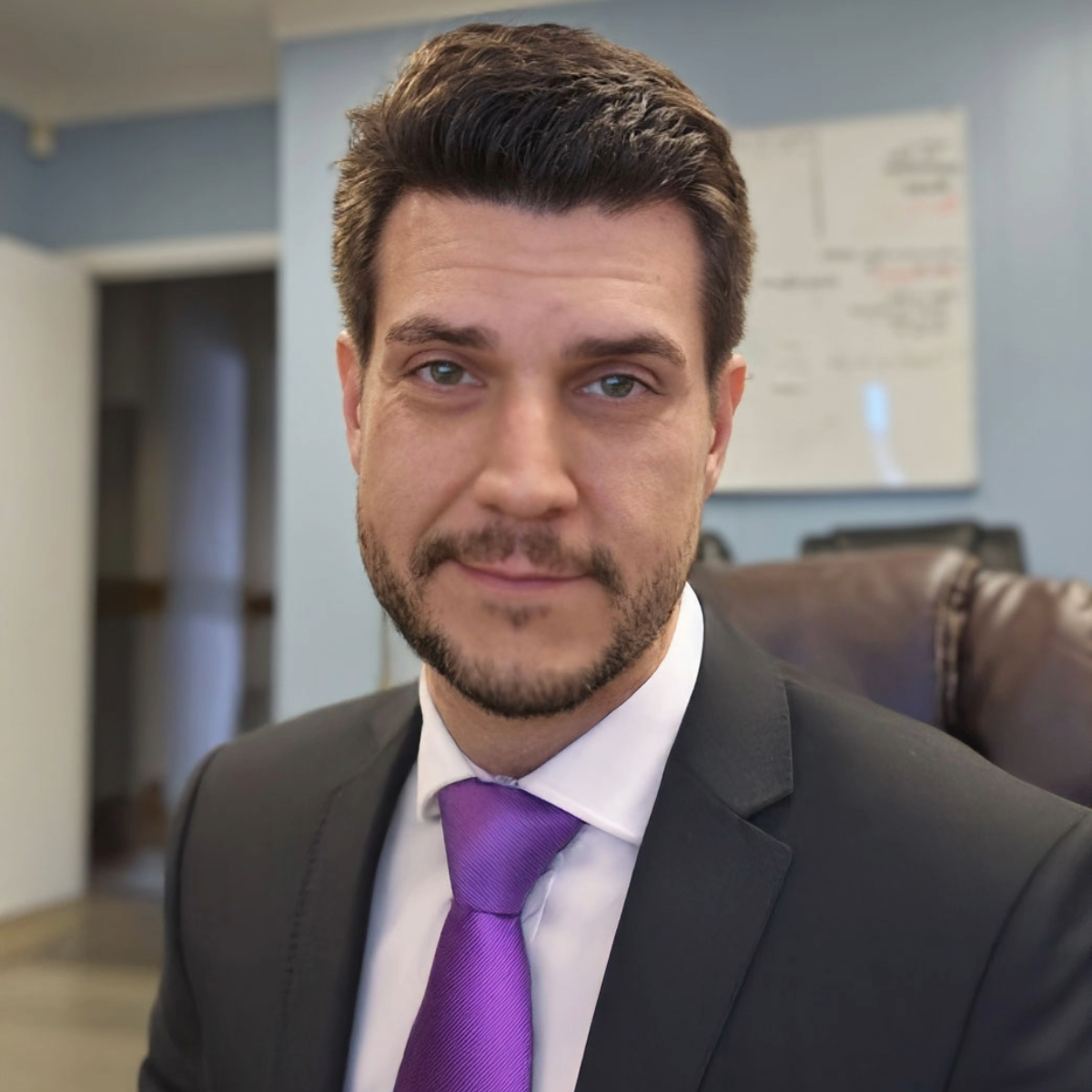
[00:05 - 00:26] Rob: Welcome back to the Evolution of Dental Podcast, brought to you by Evolution Dental Science. We explore the stories of the people and the technology shaping the world of dentistry. Today's guest is a founder of the Digital Dental Craftsman, an original innovator within the exocad space and an early adopter of digital dentistry. Jeffry Tobon, welcome to the show. How are you today?
[00:26 - 00:28] Jeffry: Very good. Thank you so much for having me.
[00:28 - 00:35] Rob: Thank you for being here. So let me ask you, how did you get into digital dentistry? Where did this journey start for you?
[00:36 - 00:47] Jeffry: You know, at the time when I started in this career, Nobel Biocare used to have a tactile scanner, and they had their own software.
[00:48 - 00:50] Rob: Oh the point scanners. Yeah, I remember those.
[00:50 - 01:14] Jeffry: I think exocad was out at that time, but I hadn't started to use it yet. And, I got a job saying that I could design, but I really didn't. I mean, I did know how to use the Nobel Procera software, but I didn't know how to use exocad. That's what got me into CAD/CAM was getting that opportunity at that prosthetic office I used to work in.
[01:16 - 01:19] Rob: That's pretty cool. And so you just sort of sidestepped from one to the next, to the next.
[01:20 - 02:01] Jeffry: From there I started to do, you know, CAD/CAM and I started to get hired at some of the biggest laboratories in New York to help build the CAD/CAM department, because it was a very new thing at the time. And so that's how, you know, I went from one place to the next training and, and building CAD/CAM departments until eventually I decided to kind of build my own lab. And that's how I became a lab owner, you know? So let me do it myself. You know.
[02:02 - 02:08] Rob: That's a really cool story. And as I understand it, you do quite a bit of work with our guy Josh. Josh Jakson Is that right?
[02:08 - 02:58] Jeffry: Yeah. So the way I met Josh was that while I was, you know, had built my own lab, I had partnered with a technician, a very good friend of mine, still we’re very good friends. His name is Roberta Rossi. And we built a lab called DDS Laboratory. I kept having a lot of friends come to me and asked me to teach them how to use the CAD/CAM stuff, because they felt like it was going to eventually kind of take their jobs. And so when I started doing that, I built- I rented a space out, I built a lab, and I built an educational center inside this laboratory. And then the way I met Josh was because I came up with this idea to build like an educational group. At that time we had a group, Damaged Goods. It was called Damaged Goods.
[02:58 - 03:00] Rob: Damaged Goods! Ok yeah.
[03:00 - 03:31] Jeffry: Yeah. And so they had that, and I thought that was a really cool thing, you know, with ceramists and all that. But I said, you know, the dental technicians and digital guys don't have a group like that. It would be kind of cool to make something like that. And so I designed the logo, I designed the whole concept. And then we created Digital Dental Craftsmen. I started to create like, you know, webinars and events like this, kind of like, you know, how you guys are doing now, like, not in a podcast setting, but it was you know, like, and just just talking.
[03:31 - 03:32] Rob:Yeah, outreach.
[03:32 - 06:06] Jeffry: And then and that's how I ended up inviting- because Josh was very, you know, he was very present on social media at the time, and he was kind of like the “exocad guy”, he always has been. He's always been with exocad from the beginning. At that time I was more on the 3Shape side. And so I was inviting a lot more 3Shape guys to speak at this webinar that we would do. And then one day I was like, you know, I want to- we started hosting courses and I would do a lot of the 3shape courses myself, but then I wanted to bring in and do courses with exocad. And so I just called up Josh and I was like, hey, you know, we have this training facility and, you know, I would like for you to come and teach exocad. And so then, he was like, hey, you know, sure. I'll come, you know. So we brought him, we put the course together, the course filled up, and I got to sit there while everybody was doing the, you know, the course. I hadn't really been- like I was so in 3Shape, like I was, 3Shape or whatever you want to call it. I was on that side of the world. Josh was, like, teaching the course, and I'm watching him, and I'm like, damn, this software is amazing. Like, he was just going about his course and I'm just like, what am I missing? Like, I'm missing out on this program. So since that day that he came, the first time I actually met him in person and he did that course, we hung out that day totally changed me. That was it for 3Shape. I literally called him, I ordered exocad through him, you know, through Evolve and I started to use exocad and now I'm still using it. Like, you know, I'll never go back to 3Shape. Unfortunately it's not- I don't know what happened to them. That’s why I created Digital Dental Craftsmen. And so then I told Josh is like, hey, you know, would you want to be part of the Digital Dental Craftsmen? He thought it was the coolest thing ever. So he's like, I want to do it. Yeah, let's do it. Because there wasn't anything for digital dental guys, you know, like the CAD/CAM technicians. It was only this Damaged Goods for the ceramics. And so, I think it was one of the first that he was like, all for it. Let's do it. And then eventually I ended up going to an LMT event, in Chicago, where I even made t-shirts. And then I handed out t shirts and everybody was wearing the logo, and it just it was like, it just caught on from there.
[06:06 - 06:18] Rob: So, I mean that’s incredible. So yeah what was that conversation? What about Josh's presentation about exocad? What are some things that really stood out to you that sparked that conversation?
[06:19 - 07:02] Jeffry: You know, at the time I thought that 3Shape had better libraries, and the teeth just looked better. I had exocad, but it was a very old version of exocad. And then when he showed it, I realized, like, wait a minute, there's a new library. So that was one thing that I was like, wow, they have a lot of varieties of teeth, but also, I think the thing that definitely stood out the most was just the way the software was built, like 3Shape was built on a- kind of like Wizard mode. You know how in exocad you kind of go next, next, next, next and then 3Shape would I just think they didn't code it thinking the way they thought, how they did it with exocad.
[07:02 - 07:04] Rob: It’s software engineers versus dental technicians.
[07:04 - 09:37] Jeffry: The engineers were genius with exocad. like 3Shape. You know if you open a new case, you literally have to go through every single step of the case to get to where you wanted to get to, to make a little change, you know, like something that would be like a split two second move took forever to load through the whole thing. And then when you were loading it, it would crash and then you couldn't even do it. And then you were like, stuck with whatever you did. And, you know, the software just crashed all the time. And then when I saw exocad and he was like, oh yeah, I could just open it, you know, at the end and then go to where I want to go and make the changes to and load it quickly. You could make any change you want. You know, you could delete a change and go back or skip that one go forward. You know it was open. You know, it wasn't- like you can jump on to Wizard, but you know, you have Expert mode. And so in Expert mode, you could do whatever you want. And so it was just like such, you know, like just the way it was built. It captured me right away. That alone. And it was just a no brainer. I mean, it's like I, it's a funny story that I had. I was doing training all over the country, and I had taught a lot of people 3Shape then I had this one training that I had to go to in Mexico. It was training in a town called Los Algodones, Mexico. And on my drive as I'm driving from Arizona, it was like a five, six hour drive from the airport to get to the border and then cross the border and go to teach these guys. I called them and I'm like, hey, you know, just know, because they had come to one of my 3Shape training and they were like all 3Shape. And then, I'm like, hey, just know when I'm now that I'm coming again to see you guys. Like, we're not going to use 3shape, we're going to use exocad. And they freaked out. They were like, what? Like, what are you talking about? We're like, no, like, you taught us 3Shape. And I was like, I know I taught you 3Shape. Just trust me. You're going to be the happiest person that I'm going to show you exocad. And so then, they were like, all right, we trust you, you know? But like, I don't think it's going to be like, they really didn't think it was going to be like I was going to change their mind. And so then I went and I, you know, I was there for like three days and, you know, it was workflows on like full mouth workflows I sold a PIC camera. Hm?
[09:37 - 09:39] Rob: I said especially full mouth stuff.
[09:39 - 09:56] Jeffry: Yeah, especially for full mouth, it's amazing. exocad. It was like, there's no way you can do this with 3Shape. And at the time, the reason I came was because I own the company called Chairside Solutions. So we sold a lot of products, and one of the products was the PIC camera from PIC Dental.
[09:56 - 09:57] Rob: Hmm, right.
[09:57 - 12:52] Jeffry: So they bought it. So we went. That's why I went to go do training on the full mouth workflow. And just you couldn't do it with 3Shape, you know, like you can’t just drag a file in and merge it and align it. And it was very complex to do with 3Shape. On exocad it was just so easy and so then I had no choice. I was like, I have to show you exocad. And, you know, fast forward, I mean, they're all exocad. I mean, literally that week they like, completely dropped it. They bought exocad and they're still grateful that I came and showed them, you know, showed them the light. You know, not… you know, and I hate to say it, but again. Yeah, the development of the 3Shape software even probably still today, I mean, I have up to the 2021 version, I don't even think it's changed that much, you know. And unless they re-code the whole program, I don't think they can make it to where it is today. I mean, even now they just came out with that PartialCAD software, where you can do the split bar, kind of like Blender, but really like Blender. Sadly, Digital Dental Craftsmen has died out because of the fact that, you know, through the years, I mean, I, I've taken on all these other things that I've wanted to, to try to do and, you know, time can only you know, get you so far. And so one of the things that I started to work on was building, you know, an implant center like my own clinic and that's where I'm at now. And so it's a beast. And, you know, we just, you know, with this and, and the product sales company, it was just too much to, to to keep pushing on the, on the education and, and you know in that cult community thing that we had created and even though I would say now in retrospect, it's had the biggest impact and it had, it made me money in other ways, not directly as the educational company, but it got me a lot of connections. I was able to build chairside because a lot of the companies that were watching that whole thing were like, hey, can you promote our product? Do you want to sell it? And I didn't want to sell it through Digital Dental Craftsmen. So that's how we built chairside to be like the product sales. Because of Digital Dental Craftsmen, Roland [DGA] and a lot of these companies were like, you don’t have to buy anything like just sell it and we’ll ship it. So I was like okay, so I didn’t you know, it was like, all I have to do is talk about it and sell it. And so we grew and grew without having to invest anything. Like $0 to build, you know, a product sales company that was competing with, you know, Shining and some of these other companies.
[12:52 - 12:54] Rob: That's like magic, that's worth its weight in gold.
[12:54 - 13:54] Jeffry: Yeah. So that came from Digital Dental Craftsmen. Digital Dental Craftsmen is still alive only because like I just refused to let it die. But my partner at the time was Sander Polanco, a very good friend of mine. And Sander kind of wanted to keep it going. And so he, he, he was like, hey, you know, I know we're not doing much with it, you know, because we were very, you know, busy with he's got his own lab, too, and everything. But he loves education. He loves it. So he created an institute, and New Jersey. Right out by New York, over the bridge. And, he's been hosting courses there and, you know, a beautiful facility. And so he kind of took the logo and he was like, hey, I'm going to call it the RDT, Restorative Dental Technology Institute.
[13:55 - 13:57] Rob: What is soaking up most of your time and attention these days?
[13:59 - 16:15] Jeffry: Yeah. So it's been a road, you know, I had my own lab going, and, I just saw, because of the position that I had, selling products to chairside. And I think I got to, to see the field of dentistry from, like, every point of view, I've gone from being a technician to being a lab owner to the educational platform, to the sales point of view, you know, selling and seeing all the technology that was coming. And because I was selling the products, you get to see, you know, what's coming because you're being presented like, hey, if you want to sell our new product that we were launching and it would get to see a lot of like things behind the scenes that as a technician, I wouldn't get to see, or even as a lab owner, I wouldn't have gotten to see. And so, I, I, I was able to kind of look at the field from, from all these different perspectives. And during all of that, I still had my lab going, which was my bread and butter. That’s what was bringing in most of the money, you know, for my home. I just saw that as we were building chairside, the new thing was the digital and the doctors building their own labs and building in-house laboratories, and, and because the technology was advancing, they were bringing in a lot of these mills. And, I mean, I don't think I started, I mean, CEREC probably started this thing. I mean, but I just used the company I had to say, hey, you know, let me help the doctors, you know, because I had a couple doctors that literally built the whole lab and it was just sitting there empty, and they had no idea what to do with it. And so I was like, hey, I'll help you. You know, obviously for a fee, I'm gonna help you. And so then that became part of the business model of Chairside Solutions was, hey, we can help you build your own lab. And so every time we would go build the whole lab, we would sell the equipment to them. And we built a lot of labs all over the country. I mean I was literally in there like building benches and putting the lab together and-
[16:15 - 16:17] Rob: Literally building a lab.
[16:17 - 16:34] Jeffry: Literally, I was building a lab. I was designing it myself. I was designing the lab. And then I would, you know, travel and, you know, coordinate with the shipment. It was the craziest time ever. A lot of work, you know, bringing all these lab benches upstairs to build it. That's how guys
[16:34 - 16:34] Rob: Oh yeah!
[16:35 - 17:09] Jeffry: It was nuts. But then what I got from that was just all these doctors that were building their own laboratories, you know, at the time, they were, you know, wanting to learn, and they wanted to teach somebody, get the assistant to learn, integrate other of their work to use a laboratory. So as I was doing that, I just started to see how, you know, the field is going to be where there's just more in-house laboratories like the technology's making it so easy.
[17:09 - 17:54] Rob: That's one of the big differences between, hey, I'm a dental technician and maybe I should start my lab versus I'm a lab owner and a business owner, and I have to look out for all the other aspects of business ownership. For example, if I have an account that's buying a new Porsche every single month from me in lab work, maybe there's something here that you should hold on to and look at a little differently, because I'm I mean, just saying, like, maybe that lab guy could have coordinated with someone like you or a manufacturer or both to say, hey, let's still be a part of this, but let me help you cut this bill down. In a way that makes sense. So, I mean, bottom line, it does suck for him. Pardon my French, but it is part of business. You know, and you just have to look out for that. I mean, I'm sure you've seen other stuff like that, right? Yeah.
[17:54 - 18:23] Jeffry: It's the way the field is going. And like I said, because I had all these different perspectives of what was going on, I realized, very quickly, that I needed to pivot from being a lab owner myself. And, you know, I decided in 2021… or 22, 21 or 22? In ‘21, I had decided to move to Texas. So I moved from New York to Texas-
[18:23 - 18:26] Rob: From New York to Texas, that had to be a big transition!
[18:26 - 18:32] Jeffry: Yeah, no, but best decision I've ever made. I mean, I couldn't have done what I'm doing today.
[18:32 - 18:34] Rob: Where about in Texas did you land?
[18:34 - 18:35] Jeffry: I'm in Houston.
[18:35 - 18:37] Rob: Houston. Okay. Houston’s nice.
[18:37 - 19:05] Jeffry: I drove down to Texas. And as I was driving down, I just had this thought in my head like, hey, you know, I wish I could open my own clinic, you know, my own dental office. And so, literally as I was driving, I called a doctor friend of mine and I was like, hey, you know, I've seen, like, these DSO’s. I know they're not owned by dentists, right, these DSO’s are owned by technicians, I mean by businessmen. Not dentists.
[19:05 - 19:07] Rob: Yeah, dental capitalists and the like.
[19:07 - 21:45] Jeffry: Yeah, like not a dentist. So because I was under the impression for the longest time dentists had to, you know, legally they still do have to be. They're the only ones that can be owners of a dental practice. And so I called him. He's like, yeah, I know you can't. I mean, the only other, the only way to do it would be through a- Oh, no. So then he explained that these DSO’s they build management companies and they do it through a management company. So then I was like, hmm. So then that lit up a lightbulb as like, well, so there's a way. So I started to look more into it. And I asked a lot of doctor friends, and I started to ask a lot of people and try to understand how it all worked. The truth is it is changing, you know, and it's changed already. And I know a lot of technicians, friends that are, you know, they had to kind of sell their lab and go work for some bigger lab. Either you're in a really big laboratory setting, but like these small guys, I mean, they're still around. I mean, it's still going to be a while. It's not like it's all gone, but it's definitely getting more, you know, less and less. And so, basically long story short, I realized, okay, you know, I can open up a management company. And the way it works is you create a contract with the dental office, and you're managing the dental office. But you do need a dentist to be the owner of the dental practice. But through the management company, you basically, you know, that's how you can make money. You know, we rented a space, we built the office, and we got started with what's now called Regional Implant Centers. And this was in like 2022. And, we made it like where it was just focused on full mouth rehabilitation, like all-on-x. And the interesting thing is my laboratory, not on purpose, started to get less work and less work and less work. And literally when I opened up the doors for the clinic, I literally was getting like $2,000 a month. Like I was almost down to zero. And then this thing took off. So that was by the grace of God, I was able to kind of get lucky. But we would have, I mean, I would have been in trouble, you know, I would have been in trouble because it wasn't like I was trying not to get the lab work. It just naturally started to get less and less because a lot of these accounts started to build their own laboratories.
[21:46 - 21:58] Rob: Yeah, definitely took some steps in the right direction to mitigate that. And I think you're right there. It's funny, the grace of God, the way that works out sometimes just perfect timing: a little bit too much, a little bit too little, and-
[21:58 - 22:34] Jeffry: Oh yeah, yeah, yeah. God’s never, like, he’s always at the nick of time. You know, when you think you're about to like, you know, you're done for and it's like, oh here. It's like never too early, but never too late. Like, right at the moment where it's like, right where you most need it. So just the way, you know, I'm a huge believer, and I just kind of take leaps of faith to, you know, just say, you know, God, take it, and you know, make it work. And he does. I mean, I think now this facility's probably the biggest implant center anywhere in the country. I mean-
[22:34 - 22:35]Rob: Wow!
[22:35 - 23:40]Jeffry: And I have working for me, some of the top oral surgeons in the country, probably in the world. I have, you know, doctors here that are just incredibly talented. I never did it before. It's my first, you know, God's kind of like, here, you know, here's this door. Go through it, and, you know, I’ll hold your hand and, and that's where we are. That's where we are today. We, I mean, I've built other companies. I think I'm an entrepreneur more than anything, you know. Still when you ask me, I'm a lab technician, I mean, that's what I went to school for, you know, but I didn't go to, like, a business degree or anything like that. I just love being creative, you know? And so this facility has been, it's cool because you get to see, you know, the patients I'm getting to, you know, create workflows. I'm getting to test materials and things and like life, you know, I invented a screw, the SegScrew. I know that-
[25:56 - 23:47] Rob: Yeah! Well, I wanted to ask you about that. That's a pretty good segway. Tell us about the SegMark™ Screw because again, speaking of being an innovator…
[23:47 - 25:47] Jeffry: Yeah. So I think I just, I'm a, I'm a creative person. When I had my laboratory, I had, at the time, started to do a lot of full mouth, right? Like full mouth because of the PIC system. So, you know, my business model became that I would go with the PIC camera because the doctors couldn't afford it. I would capture the implant positions and I would do the conversions digitally. I started as a design center, but then I realized that, you know, at that time there was a full contour that came out. And so when I was selling a lot of these full arches at the time, I was using the Rosen Screw® that was like, you know, one of the screws that had just come out and, like, was out there, you know, made it where I didn't have to keep dying the ti-base, doing the cement thing and all that, what happened was, when we were selling the PIC system, one of the biggest things Adrian, the owner of PIC would say is like, hey, don't bring in, you know, no ti-base. He believed that when you use them, when you're cementing a ti-base onto the zirconia, you know, you're introducing human error. You know, like, just mill it the way it is. And yeah. So like, don't you know, you can mess up the passivity by the cement. At the time I was using the Rosen Screw®, Powerball had come out too. And I just felt like, you know, it was fine. And then as I was selling more and more of these full arches, I was using the Rosen Screw®. I had one- a couple of instances that kind of made me stop using the screw. One is because of the Morse taper on the screw. The concept of the screw was that it would get wedged in. So as you're tightening, you're getting wedged in onto the walls, but it's really wedged in. It's like you can't even take it out. Like the whole thing is like he says, hand tightened, and that there's this, you know, anti rotational effect through that wedging which it hella works because I had one case that the doctor could not take the screw out.
[25:47 - 25:49] Rob: I was gonna say, it works a little too well sometimes.
[25:49 - 25:56] Jeffry: Yeah. Like it works too much. Like you need to be able to take it out like there's a certain thing where there's a certain point where it's like too much. and as a technician, I'm selling this product and I'm saying use this screw.
[25:56 - 25:59] Rob: Yeah there’s a fine line between this is really fixed and stable, and this is permanent.
[25:59 - 26:08] Jeffry: Yeah. Like I had one of those where the doctor, you know- and as a technician, I’m selling this product. And I’m saying “use this screw”.
[26:08 - 26:10] Rob: So you're responsible for it. Your name’s on there.
[26:10 - 26:14] Jeffry: I felt responsible because he couldn't take it out. He had to cut the zirconia full arch in the mouth.
[26:14 - 26:16] Rob: Oh my! Lord have mercy.
[26:16 - 26:58] Jeffry: With freaking sparks going and everything. I mean, can you imagine [being] this patient, like, I would sue the doctor. Like, I mean, you could get burnt. Like, I don't even know what he did. He just never sent me any more cases, you know? He was done with me. He was like, you told me to use this stupid screw. And again, it's a great innovation, and I'm thankful for it because, I mean, it kind of got the ball rolling, but, you know, and it has and it works and it wedges in there. But again I there's, there's where, you know some doctors maybe don't follow instructions and they torque it, and now it's stuck in there.
[26:58 - 27:01] Rob: I've never heard of a doctor not following instructions. That doesn't happen.
[27:03 - 29:40] Jeffry: So I don't know, maybe even if you had tightened, you can- Your hand can be very strong. Yeah. Point being, I was like this, isn't it either. Like this screw is not it. And then the only other screws out there were like the regular flathead screws from DESS and the Powerball screw. I like the Powerball concept that you are able to angle the screw channels, but I didn't like the shape. I mean, I just always thought, I'm like, do you ever go to Home Depot and find a round head screw? Like, the hell is this? Like, you don't, you know, it doesn't. And then also, there's a thing that I call “millability”. Like, how easy is a screw to to mill? The Rosen Screw® was very easy to mill. The Powerball wasn't. It was very rounded, so I had to create a lot of- there was a lot of milling. Plus it was huge at the time. The screw channel was ginormous. And then the DESS screw, which was the regular screw everybody's using. The only thing was it was a little bit taller, so you could have a little more thickness. It would loosen very quickly because it's just like 0.4 millimeters that sit on zirconia and keep it from anti-rotation. You know. So they were loosened up very easily. And so then I just decided one day I'm like you know if you can combine a little bit of this one a little bit of this one a little bit this one. Like you could find something that works best from a technician standpoint, you know. Because a lot of these screws are made by dentists. But basically the idea was like not to have too much. The less degree of angulation, the more it can wedge. So I increased it to a 30 degree angulation as far as the taper of the head of the screw. But what it does is when you're going upwards, the screw allows for you to have more surface friction. So like, the screw has like a millimeter of surface friction as opposed to 0.4. So that alone helps with anti-rotation. It’s kind of hard to tell but there are grooves under the head of the screw. So the idea behind those grooves is that when you are tightening softer materials like 3D printed resins. You get a little material that gets kind of- you can scrape it, you know, so it kind of, it grabs a little bit of material enough to prevent it from rotating, you know, and loosening. And so, it has very good retention and it has very good “millability” because it's very easy geometry for the milling software to mill. And then obviously you don't need ti-bases.
[ 29:40 - 29:44] Rob: Does that require a T-cutter tool for that? Or can you do that without those?
[29:44 - 29:45] Jeffry: No, it doesn’t. You don’t need to do that.
[29:45 - 29:47] Rob: That's very versatile then!
[29:47 - 30:49] Jeffry: Yeah. So it's easy to mill. It gives you angulation. The connection on the top is a torque 6 connection, but it's a modified one. You know, I worked with some engineers to try to see how I can get more degree of angulation on it. And so I was able to get that in there. And then what I ended up doing was at the time, I called it the JT screw, because I figured I'd name it after myself, but then when I started with the implant center, I came up with the way to create a workflow so that I could use the CBCT data and use that to align the pre surgical CBCT with the post-surgical CBCT and put myself back on the proper, you know, vertical dimension. And again, I wouldn't have been able to get to test that out if it wasn't because I had my own clinic and the doctor was like, I'll do it. You know, I have like I tried-
[30:49 - 31:15] Rob: I think, yeah, I’d really like to learn more about that, especially since that's a question that we get pretty frequently from doctors as to, well, the lack of understanding a little bit of how, the, how having similar data to, I mean, obviously from the technician side, it's pretty clear, but it's not always so clear from the clinical side that you need this, 1-to-1 data, more or less to align all these different pieces and components, especially with all-on-x workflows.
[31:15 - 31:52] Jeffry: I came up with this idea at the time, again, because I had my own clinic.. After the surgery was done, we were taking the patient to a stand-up CT because it was the only CT we had after the surgery. And taking the CT, and I was aligning the data, like that. But then it was very annoying and it was very difficult because the patient was still out of it and we were like dragging them in a wheelchair and holding their head up, you know, because they're still out of it, you know, to take the CT after the surgery, which you can do that. You know, that's the easy, I mean, affordable way to do it.
[31:52 - 31:53] Rob: That is a way.
[31:53 - 33:23] Jeffry: But then I was like, imagine if I was able to take the CT while they're in the chair. And so I looked into it and I found this machine, which is called the xCAT, which can take a CT. You know, it's a mobile CT. And so I bought one, a very expensive unit, but it made it where now we didn't have to take the patient and do all of that, so it sped up the workflow. So I would say right now it's probably the fastest workflow in the market today or available out there today, except people make fun of me because they're like, oh, you know, but you got to spend a quarter of a million dollars. Listen, if you can't afford it, don't do it. And that's fine with me. I mean, I'm the only office- we have two now. Now we have two locations. But it has other things that have come about that the doctors like with it is that a lot of times when the doctors are placing implants, they don't know how well the implants were placed and their position exactly where they want them until they already let the patient go home and maybe take a CT when they come back. With this, we're taking the CT while they're still like in the middle of surgery, flapped open. So we're taking the CT and then they can see that the implants are where they wanted them, and if they're not, they'll move them. And that happens like not all the time, but enough times where you're just there like, thank God that we have this machine.
[33:23 - 33:25] Rob: That sounds like it’s a valuable time saver.
[33:26 - 34:54] Jeffry: That, you know, and also just, you know, you're giving the patients better quality work. You know, you're not placing the implant where it's like, you know, and totally, you know, where it's going to fail. You know, you're giving the implants the best chance of survival. But basically what happens is you capture the patient in centric, you know, occlusion. So, you know, this, the CT was taken in centric, like, don't put gauze or anything, you know, so your jaws are as- When you're in occlusion or, you know, you're in centric relation as far as your condyles and your jaws. What I do is, see like those two relations are there. You know what I mean? Everything is in centric relation. Once the CT is taken you can segment the CT. The whole thing with segmenting was for the longest time segmenting was like a pain to do because you had to like go slice by slice and paint it and manually do it. So then there were companies that would slice and segment for you, but it was a whole thing. And then AI came about. So I came up with this workflow right around the time that you could do it with AI. And so then now you just click a button and the software automatically starts to segment everything. So then when that happened, it just made it so much easier, you know. So then you could turn a CBCT into an STL file. And so then I can design a case.
[34:54 - 35:09] Rob: Just to clarify for, you know, for those who aren't aware, like segmenting is the process of allowing the computer to identify the teeth from the CBCT scan as separate components, as different from the bone structure, right?
[35:09 - 35:54] Jeffry: No, no. So, segmentation is the process in which the software can map out each layer of the CBCT and then merge it all together and form it into an STL file. And in that process, it can segment teeth, bone, it can even segment the face, you know, it can, it can capture the face out of the CBCT data as well. So it's just turning a DICOM file, you know, and turning it into a usable STL file so that you can bring it into a software like exocad. That's why I call it the SegMark workflow, because it was based on a segmentation marker, which you’re gonna see.
[35:54 - 35:55] Rob: Oh, okay!
[35:55 - 36:05]Jeffry: So I was able to, you know, segment the file and then design the wax up. You can use the face, see how it looks in the face.
[36:06 - 36:07] Rob: Was that using Smile Creator?
[36:07 - 37:56] Jeffry: Yeah. That was using Smile Creator. Yeah. And so you see, like I was able to- I can design between the jaws and then I can kind of already calculate how much reduction a doctor has to do based on my wax up. So I cut the bone, you see, and then okay. So right there you see those markers? Those are the Seg markers. So that's why I call this segmentation marker because then I took a CT of the patient post-surgical with those markers in the mouth. And they're already opaque. So they pick up on the CT. And then what I can do is align it to the CT that has the patient in the proper vertical dimension. And so when I align it in there, then I take a photogrammetry file and I align that. And that’s how I end up with, you know, the jaws in relation to the implant. And then you can bring in tissue if you want. And so now the tissues align and the wax ups, so everything is aligned to that jaw position. You just keep going and then it merges it in exocad, see. And then that's the file you 3D print. And every time you print this file out, you know, everything is in the same position as to the way it is in the mouth. The occlusion is spot on, like every single time. Unless the doctor didn't put the patient in centric relation. There are other things that, you know, can make the bite be off. If you don't align it right, then it's going to be off. If you don't align the photogrammetry file to the post-op CBCT with the Seg markers right, then the bite's going to be off. So they are like, you got to make sure it's spot on.
[37:56 - 38:02] Rob: If you follow the procedure and you get everything aligned correctly, it seems like a huge time saver.
[38:02 - 42:01] Jeffry: But that's the Seg Mark workflow. So again segmentation marker. That's why I named it the Seg Mark workflow. And then the screw was the JT screw at the time. But then I was like, you know, it'd be kind of nice to have it all be, you know, like the same kind of brand, you know, in there or whatever. So I named it the Seg Marker, which, you know, I had some dentists be like, “woah, the sex marker?” or “the sex screw?”. And I was like, the sex screw? I don't think so, hehe. But that's what they heard. And like, I don’t know where your mind is. It's the SEG screw. And so that's how we ended up naming the Seg Screw after this. This workflow is the one that we utilize here in the clinic. And then we kind of paired it with the screw. And you know, at least in my clinic it has become like a stamp. And the doctors love it. You know, we were getting the best results, more predictable results. And so it's made it easy for the lab. It's pretty standard. Everything is like we already know what we're doing. Eventually I took my lab and brought it into the business. I mean, I also have other things that I created, like bone screws, you know, that was another workflow a lot of people are using with the bone screws. So I invented a bone screw. And a lot of people buy it, but I don't even use it myself anymore. I just, I, I’d rather do this other workflow, you know? But this screw definitely does save the day. You know, there's a lot of times where the implant, maybe you want to get that screw channel in the perfect spot. Also, one of the biggest things I feel like I'm most proud of with the screw is- one of the issues with these screws out there is that they're very small. And because they're small, they're like, oh, it's great. It's a small screw. So the screw channel is small. But a small screw just means a weaker screw. You know, it's like, you know, it's like common sense. And so yes, the prostheses itself might be stronger because you have a smaller screw channel, you know, like you're not hollowing it out as much. But then you have a weak screw. So you're replacing screws all the time. Whenever you're milling a screw channel that's over 2.3mm of diameter, the CAM software, whether it's HyperDent or MillBox, will use a two millimeter bur to mill that diameter. If you have anything that's less than 2.3, it'll use a one millimeter. So a lot of times I was breaking one millimeter burrs, because the one millimeter burr is not designed for grinding. You know, it's only designed to do details. But if you think about it, these screw channels are getting dug by the one millimeter burr. Again, it's not meant for that like roughing. And so with, with the Seg screw, it mills the channel with the two millimeter burr. And then it does like little details with the one. The two millimeter burr allows you to go deeper because it's a longer burr, too. And so it just- you know, I haven't had screws break because of the screw channel. Like, I'm sure you know, your technicians that watch this are going to know what I'm talking about. A lot of times when you're milling these screw channels with the one millimeter burr, that's the one that you're breaking and that's costing your money, you know, at least over 100 bucks each one of these burrs. And so, that’s one of the pluses of this screw, it’s just being able to mill it easily. You can make longer screw channels because you're using the two millimeter burr so they can go in deeper and they can make taller arches. So, you know, a lot of, a lot of thought has gone into it for sure.
[42:01 - 42:09] Rob: It sounds like you're your broad variety of experiences coming up in this industry really influenced how you approach the development of this workflow.
[42:09 - 43:54] Jeffry: Yeah. For sure. And even now, I mean, I'm still coming up with other things that I haven't put out there yet, but because I have a clinic and I have patients that we can test things on and, you know, and do stuff with, it's definitely exciting. I mean, I definitely feel like, I’m blessed to have the opportunity to have, like, all these different perspectives because now I have the perspective of, you know, the dentists or, like, not even the, like, even or even hiring dentists. I mean, definitely for sure, if somebody would have told me what I was getting myself into when I opened up this clinic, you know, I wish they would have told me. It's like too late now. Like I'm too deep into it. But, man, it's a laboratory… I mean, everything has got its own different stresses, but when you've got, like the clinic with the lab man, it's like double the, you know, the headaches, plus patients, you know, and people, and just, you know, regulations and OSHA and, you know, and more employees and staff and, you know, dental offices, you have to do like, benefits. And, you know, it's like a whole nother monster. I mean, I'm proud of, you know, what we've been able to do and, you know, but I honestly, if it wasn't because God's kind of holding my hand through the whole project and he's the one that's, you know, changing these lives. I mean, that's one thing for sure, is that, like, a lot of the patients that we see, you know, the transformation is ridiculous. Like they are, you don't even recognize them.
[43:55 - 44:07 ] Rob: With this same goal in mind, are there things that you would have done differently or, what do you think that you did that you're very thankful for the way you did it, as opposed to having done something differently?
[44:10 - 44:59] Jeffry: You know, it's a difficult question. I don't know, it's like you can't I think, umm… I'm proud of I think every decision I've made, I mean, I'm this far, you know, again, just leaning on God and asking for wisdom and and then, in asking him to kind of hold my hand because, I mean, one thing I do feel is like, yeah, like when I look at what we've been able to build and and I've been able to, you know, self teach myself like all these things of man like now I have to deal with medical billing. Dental billing. It's a lot of things involved, and I, I don't know if I would have done anything differently. I mean, I just have to just be thankful and grateful that God's taken me this far.
[44:59 - 45:08] Rob: Jeff, thank you so much. This has just an absolutely incredible show. This has been one of my favorites so far, really.
[45:08 - 45:57] Jeffry: Thank you man, I love being part of it. And you know I haven't done too many just because I don’t know, like I said, we technicians don't make this into, like a big deal. But it is, you know, I love what you guys, you know, did with, you know, Evolve has always been so innovative. I love the crew. It's like it's all family. You know, the guys over there, I mean, literally everybody's like family. The whole family works there. So, some of my favorite people, every time I go and, you know, get together with them, it's just like a fun time. And, they're just really, really good people. And so I thank them for including me in your guys's podcast. You know, I appreciate it.
[45:57 - 46:02] Rob: So, where can people follow you or find you online? You have any socials to link up?
[46:07 - 46:28] Jeffry: Yeah. So, I guess Instagram, Facebook, @JeffryTobon. They can definitely follow @RegionalImplantCenters. That's kind of like the implant company, @SegMarkWorkflow is also on Instagram. I think that's pretty much, you know, online.
[46:29 - 46:47] Rob: That’s a lot of coverage, hehe! Awesome. All right. Thank you for joining us for the Evolution of Dental Podcast. Please remember to like and subscribe on Apple Podcasts, Spotify, YouTube, and anywhere you find your favorite podcasts. And remember, never stop evolving.